Home   FEEM Blog
 
FEEM Blog
 
Jul
29
2010
 
Macondo and the true cost of a barrel of oil
By Andrea Bigano and Manfred Hafner
 

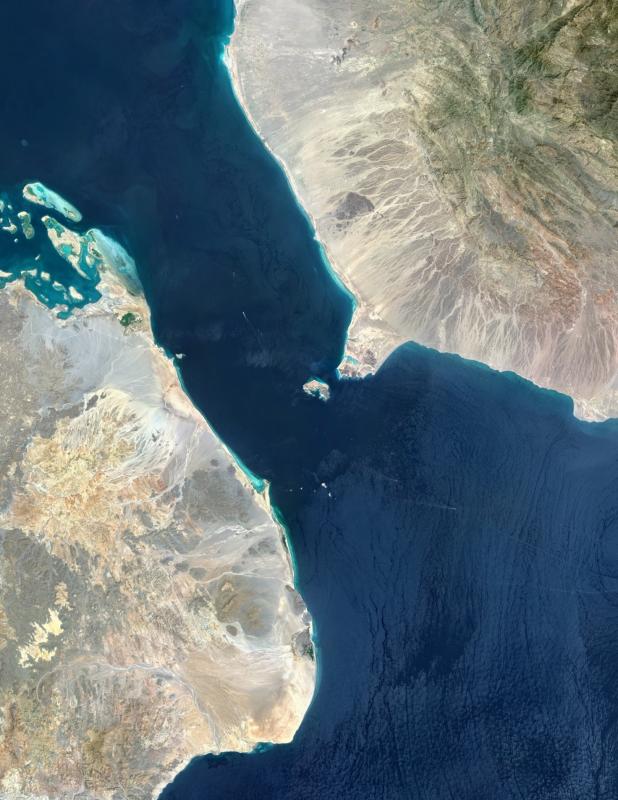
There are striking similarities between the village of Macondo created by the imagination of Gabriel Garcia Marquez in Cien Años de Soledad (1967) and its oil field namesake laying below the surface of the Gulf of Mexico. As in the fictional Macondo, the situation stays substantially unchanged while the main characters, fundamentally alone against their fate, struggle to escape their cursed destiny. There is however a key difference with novel: in the real world, there is no Melquiades  to understand and write down in his mysterious Sanskrit parchments, what exactly is going on and why. Our knowledge is faulty on many levels against this unprecedented event, and many professionals are currently busy wondering about the consequences of the Deepwater Horizon blow-out for their business. Even its magnitude is still undefined. In this post, we stick to our line of trade and propose an energy economist’s view on the possible consequences of this accident on how we value oil.

read the post
0 Comments  
Jul
20
2010
 
European Drought Policy – A Cinderella among the European environmental legislation
By Jaroslav Mysiak
 

When European legislators were designing a major overhaul of the Community water policy in the 1990s, they had not entirely forgotten droughts. However, it is apparent that they did not think the new water policy was a suitable instrument for tackling extreme hydro-meteorological and climate events such as floods and droughts. The result of their painstaking efforts, the Water Framework Directive or WFD (1), does indeed mention droughts as potential threats which may undo the efforts to achieve good ecological status of the Community water bodies. Yet drought mitigation is  but the last among the aims underpinned in the Article 1 of the Directive, and the one which is least substantiated.

read the post
0 Comments  
Jun
21
2010
 
Is adaptation the unspoken outcome of Copenhagen?
By Enrica De Cian and Alice Favero
 

What has emerged during the latest round of international negotiations in Copenhagen is a gap between proposed commitments and the integrity of the global environmental goal on temperature (2°C). If countries stick to the bottom-up approach proposed, which is probably the only viable way forward, stabilising global warming below “dangerous” levels might be impaired (Carraro and Massetti 2010) . The unspoken implication is more work for adaptation. In this context, adaptation obtains a defined and unique role: closing the gap between what would be done and what needed to be done.

read the post
0 Comments  
May
26
2010
 
Stato e mercato oltre la crisi
By Bernardo Bortolotti and Alessandro Carpinella
 

Fino a pochi mesi fa, rilanciare il tema delle privatizzazioni nel dibattito pubblico sarebbe apparso a dir poco bizzarro. Nel tempo del grande bail-out anche negli Stati Uniti e nel Regno Unito, santuari del capitalismo anglosassone, è parso che i grandi cicli di privatizzazione aperti anni fa si fossero definitivamente esauriti.

Invece proprio quelle misure di intervento che hanno spostato enormi quantità di debito privato verso gli stessi già pericolanti debiti pubblici occidentali hanno determinato le condizioni di finanza pubblica per una ripresa su larga scala delle privatizzazioni. Gli annunci della Grecia e del Portogallo, e soprattutto il programma americano di cessione dei titoli acquisiti dal settore pubblico nell’ambito del TARP sono i prodromi dell’apertura di un nuovo ciclo.

read the post
1 Comments  
Apr
21
2010
 
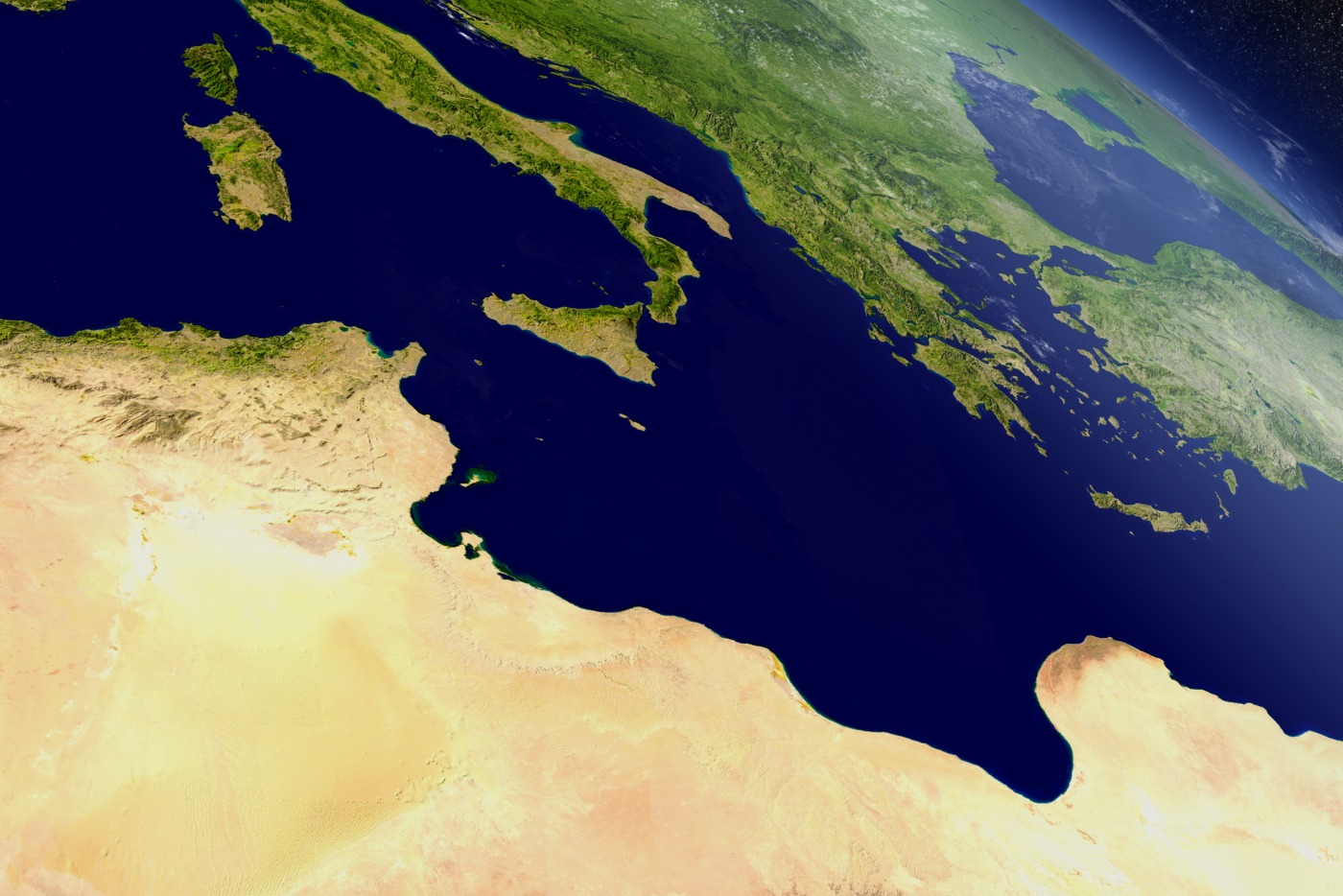
Solar electricity supply from North Africa to Europe: Does it make sense? Which policy options should be envisaged?
By Manfred Hafner
 

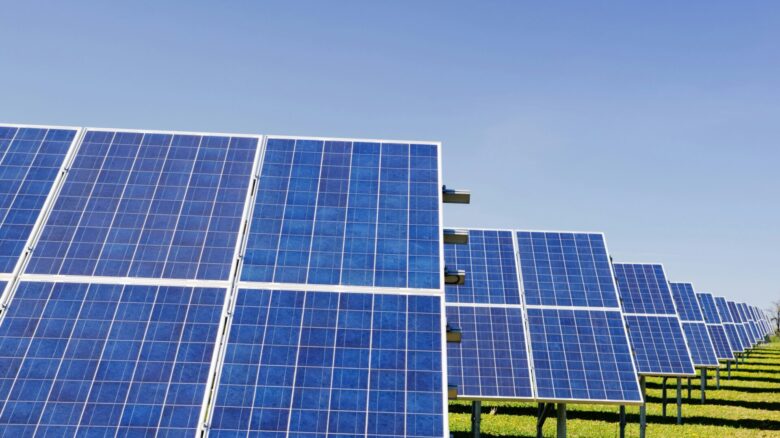
The vast potential for renewable energy in the Southern Mediterranean region has in recent years promoted two important projects: The Mediterranean Solar Plan of the Union for the Mediterranean launched by French President Nicolas Sarkozy in July 2008 and the Desertec project of a group of European (mainly German) companies launched in July 2009. These projects aim to provide an opportunity to reduce EU’s dependence on Russian gas, integrate more countries into the EU power market and contribute to the EU’s medium and long term climate targets. It is also a way to develop neighbouring country’s economies and promote EU policies on energy and climate change.

read the post
1 Comments  
Mar
31
2010
 
The laying aside of the carbon tax in France: lost opportunity or simple postponement?
By Patrick Criqui and Alain Grandjean
 

Immediately after a series of bad results in the last regional elections, the French government decided to abandon the project of introducing a carbon tax on diffuse CO2 emissions. Yet the implementation of the French carbon tax had been developed in a remarkable consensus building effort in the past four years, until July 2009. Since then however the project had triggered a lot of debate and turmoil in the political arena and, finally, a veto of the Constitutional Council, three days before its full implementation planned for January 1st 2010.

read the post
0 Comments  
Dec
14
2009
 
The challenges and opportunities of adaptation to climate change
By Francesco Bosello
 

In everyday life, the word “adaptation” recalls the idea of a process and/or transformation to which something affected by a pressure, reacts adjusting. According to common sense it brings about also a feeling of acceptance or fatalism. In the climate change context however, adaptation is something different. The Intergovernmental Panel on Climate Change (IPCC) describes adaptation as: “adjustment in ecological, social, or economic systems in response to actual or expected climatic stimuli, and their effects or impacts. [It] refers to changes in processes, practices or structures to moderate or offset potential damages or to take advantages of opportunities associated with changes in climate” (IPCC TAR, 2001)

read the post
0 Comments  
Dec
09
2009
 
Tracking climate responsibility by looking at individual emissions
By Massimo Tavoni
 

A dynamic process in which national obligations are continuously adjusted to reflect the changing responsibility towards global warming: this is the practice that will be required in the next three decades if we are committed to a low carbon future. Tensions about determining respective national commitments -that have characterized the rocky path to Copenhagen- will most likely reappear even in the case of a successful post-Kyoto process. Developed countries have the obligation to lead the way and act first, given their historical responsibility and their higher level of wellbeing. However, these factors will inevitable weaken over time as fast growing, largely populated economies develop. The incredible emission growth for China –whose emissions in 2008 are already 25% above the second largest emitter, the US- is an often quoted example of rapid convergence.

read the post
0 Comments  
Nov
30
2009
 
L’improbabile corsa verso l’obiettivo 2 gradi. Va ripensata la politica climatica globale?
By Carlo Carraro and Emanuele Massetti
 

La comunità scientifica e i decisori politici sembrano concordare sull'obiettivo di contenere l'aumento della temperatura globale entro i +2°. Nel luglio di quest'anno i leader delle maggiori economie mondiali (Major Economies Forum, MEF) riuniti a l'Aquila in occasione del G8 presieduto dall’Italia, si sono impegnati a mantenere l’aumento della temperatura terrestre causato dall’effetto serra al di sotto dei 2°C. Per raggiungere questo obiettivo, i leader del MEF hanno proposto un piano di riduzione delle emissioni di gas ad effetto serra (GHGs) che mira al dimezzamento di tali emissioni nel 2050.

Ma e’ davvero possibile limitare l’incremento di temperatura nel corso di questo secolo a soli 2 gradi? E se possibile, l’impegno di dimezzare le emissioni di GHGs nel 2050 e’ sufficiente a raggiungere tale obiettivo? E se non sufficiente, come dovrebbe essere disegnata una politica climatica realistica ed efficace?

read the post
0 Comments  
Jul
13
2009
 
Towards a low-carbon economy
By Manfred Hafner
 

Our energy systems and indeed societies, which are presently on a fully unsustainable development path, will need to undergo a huge structural revolution over the next decades if we want to comply with the need to stabilize the climate warming of our planet to the 2°C (compared to the pre-industrial age) which is considered by the IPCC (Intergovernmental Panel for Climate Change) the level not to be exceeded in order to avoid irreversible catastrophic changes to world climate. The two degree goal equates, according to the latest 2009 findings of the IPCC, to a stabilization of the CO2 concentration in the atmosphere at a level of some 400 ppm (not so long ago, it was still thought that a stabilization level of 450 ppm would be sufficient!). Given that the concentration of CO2 in the atmosphere is already 385 ppm, and that we currently add 3 ppm every year (which means that in about 5 years from now we will have exceeded the 400 ppm cap) illustrates the urgency to act and to dramatically change the business as usual development path. This implies eventually to decouple economic growth from the generation of polluting emissions.

read the post
0 Comments  
Jul
07
2009
 
Perché le banche non si liberano dei “toxic assets”?
By Fausto Panunzi
 

La stretta creditizia è probabilmente uno dei problemi più rilevanti delle economie dei Paesi sviluppati in questi primi mesi del 2009. Circa il 65% delle banche degli Stati Uniti ha adottato standard più restrittivi per la concessione di credito ai propri clienti.  Sempre negli Usa, nuovi prestiti a clienti di rilevanti dimensioni sono diminuiti del 47% nell’ultimo trimestre del 2008. 
Nello stesso tempo, le banche continuano a detenere nei loro portafogli stock elevati di asset finanziari poco liquidi. Spesso si tratta di asset “tossici” (come ad esempio le mortgage backed securities), attività finanziarie per le quali al momento non esistono scambi sul mercato. Una delle spiegazioni più comuni di questo fenomeno è che i rendimenti negativi del recente passato su queste attività e l’elevata volatilità abbiano fatto scappare i possibili compratori (buyer strike) costringendo così le banche a detenerle nei loro portafogli.

read the post
0 Comments  
Jun
27
2009
 
Aiuti di stato: cercasi Europa disperatamente
By Carlo Scarpa
 

Tra le risposte all’attuale crisi ha acquisito sempre più popolarità uno strumento che per anni – pur senza mai passare di moda – era considerato un modo di intervenire da limitare il più possibile. Gli aiuti di stato alle imprese erano stati bollati come indesiderabili sia dal Trattato europeo, sia dal Consiglio europeo che a Stoccolma aveva fissato l’obiettivo “less aid, better aid”. Quello che osserviamo è invece un revival che viene giustificato dalla crisi, in nome della quale si fanno passare tanti provvedimenti a dir poco discutibili.

Se gli aiuti al settore bancario sono quelli maggiormente discussi e noti (e probabilmente meno contestati) un altro settore è stato oggetto in Europa come altrove di particolari attenzioni, ovvero la costruzione di auto. Con alcune caratteristiche europee, e significative differenze con gli US su cui vale la pena di soffermarsi.

read the post
0 Comments  
Jun
18
2009
 
La crisi finanziaria è finita?
By Andrea Beltratti
 

Da qualche tempo si parla meno della crisi, almeno di quella finanziaria. Si è passati molto rapidamente, in soli tre mesi, ad una situazione in cui si temeva uno scenario di Depressione simile a quello degli anni 30 ad una situazione in cui esistono timori “normali” per una recessione, forse un po’ più dura di quelle recentemente registrate, ma pur sempre controllabile dagli strumenti pubblici. Si tratta di volatilità eccessiva delle aspettative? Questo è in fondo la spiegazione che Robert Shiller diede all’andamento dei mercati azionari circa 30 anni fa. Le aspettative razionali sono sempre relativamente bilanciate e non cadono negli eccessi emotivi. La volatilità dei prezzi azionari è eccessiva, secondo Shiller, proprio perché gli investitori non tengono conto in maniera efficiente di tutta l’informazione e nel breve periodo si lasciano andare a momenti di ottimismo e pessimismo.

read the post
0 Comments  


About

The FEEM Blog aims at opening a window on our research and at stimulating a direct but rigorous debate on the important themes of the Italian and international economic agenda.

Archive
Filter by Author:
Filter by Topic:
   
 
Top