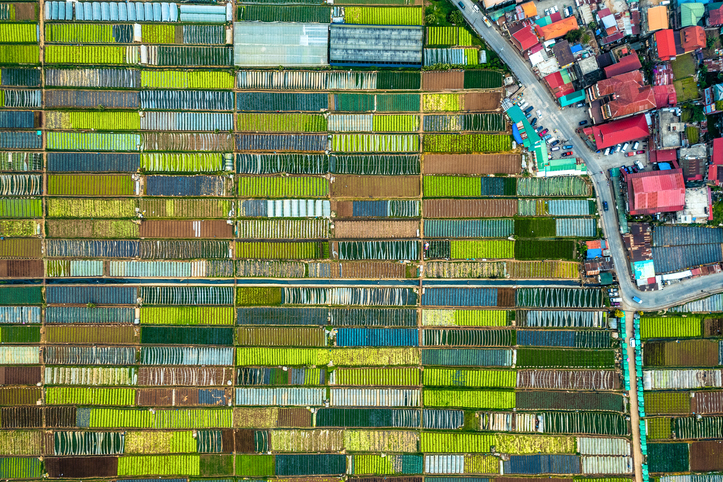
Climate Change AdaptationIl problema derivante dagli impatti presenti e futuri dei cambiamenti climatici ha sempre una maggiore rilevanza per le società e le economie mondiali [...]SCOPRI DI PIÙEconometrics of the Energy TransitionNegli ultimi anni gli economisti applicati hanno dedicato crescente attenzione all’osservazione e allo studio del comportamento e delle interrelazioni tra le principali variabili energetiche, gli indicatori di cambiamento climatico, le grandezze macroeconomiche, i mercati finanziari e delle commodities [...]SCOPRI DI PIÙLabour in the Low-carbon TransitionIl programma di ricerca Labour in the Low-Carbon Transition si pone l’obiettivo di studiare temi relativi agli effetti delle policies climatiche, dei sussidi verdi e dei più ampi Green Deals sulla struttura economica [...]SCOPRI DI PIÙRAw Materials for the Energy TransitionLa transizione energetica è un pilastro delle politiche climatiche [...]SCOPRI DI PIÙSustainable MobilityI Paesi dell’Unione Europea, in conformità all’accordo di Parigi, sono impegnati a rendere l’UE climaticamente neutra entro il 2050 [...]SCOPRI DI PIÙ Pubblicazioni BRIEFS Gli Italiani non sognano auto elettriche: la difficile decarbonizzazione del parco circolanteSCOPRI DI PIU'JOURNAL ARTICLES Synergies of CGE and IAM modelling for climate change implications on WEFE nexus in the MediterraneanSCOPRI DI PIU'WORKING PAPERS Unequal contributions to CO2 emissions along the income distribution within and between countriesSCOPRI DI PIU'WORKING PAPERS Remote Work admist the Covid-19 outbreak: Insights from an Ensemble Community-Based Keyword Network AnalysisSCOPRI DI PIU'BRIEFS Nuove competenze e opportunità per i giovani: la sfida della BasilicataSCOPRI DI PIU'LIBRI Smart grids in the renewable energy community era: New markets and the role of informationSCOPRI DI PIU'ARTICOLI SCIENTIFICI Boon and burden: economic performance and future perspectives of the Venice flood protection systemSCOPRI DI PIU' Eventi VIDEO | CONFERENZE FEEM From COP 28 to COP 29: The Italian Road for a Sound Transition GUARDA IL VIDEO THE REALITY CHECK 2024 Video-dialoghi FEEM con Nobel, scienziati e influenti pensatori GUARDA LA PLAYLIST Resta aggiornato. Iscriviti alla newsletter di FEEM ISCRIVITI Entra nella community di FEEM. Seguici su LinkedIn SEGUICI Equilibri Magazine Choke pointsSCOPRI DI PIU'Stampa e oro nero – i volumi ora disponibili in digitaleSCOPRI DI PIU'Un corso di marketing digitale per le PMI lucaneSCOPRI DI PIU'Comunità Energetiche: oltre i decreti, le vere sfideSCOPRI DI PIU'Quando l’offerta non incontra la domanda: il caso dell’automotive europeoSCOPRI DI PIU'Metaverso: un focus sul patrimonio e i beni culturaliSCOPRI DI PIU'Criticità e catena di approvvigionamento del litioSCOPRI DI PIU' Altre notizie PROGETTI FINANZIATI Workshop internazionale “Econometrics of the Energy Transition” SCOPRI DI PIÙ PROGETTI EUROPEI EconCSA – Assessing the Economic Efficiency of the Climate Smart Agriculture in South Asia SCOPRI DI PIU’ PROGETTI FINANZIATI Digitalizzazione “Stampa e oro nero” SCOPRI DI PIÙ PROGETTI EUROPEI SkiLMeeT – Skills for Labour Markets in the green and digital Transition SCOPRI DI PIU’ PROGETTI FINANZIATI Climate ecologies in reclaimed coastal productive landscapes SCOPRI DI PIÙ PROGETTI EUROPEI The provision of research advice and papers on topic related to “ESG practices in emerging economies and climate transition in Europe” SCOPRI DI PIU’